Email marketing is still a unique way to communicate online. Companies need it to connect with customers, keep them up to date and build relationships over time. Sending random emails, on the other hand, doesn’t usually lead to success. It comes from using the right tools to make communication easier and engagement stronger. Email marketing software is a key part of this journey because it helps you plan campaigns, learn about your audience’s behaviour and automate tasks that you do over and over.
The right platform clears things up and gets rid of confusion. It lets marketers focus on real conversations instead of technical problems. Businesses can pick systems that really help them grow over time if they know what the most important parts of modern tools are.
1. Easy to use and user-friendly interface
A simple interface makes a big difference in marketing work every day. Tools that are too complicated can make teams work more slowly and cause problems. No one likes to spend hours trying to figure out simple things.
Simplicity is the main goal of modern platforms. Marketers can quickly make emails with drag-and-drop builders. Pre-made templates also help you make messages that look professional without knowing how to code.
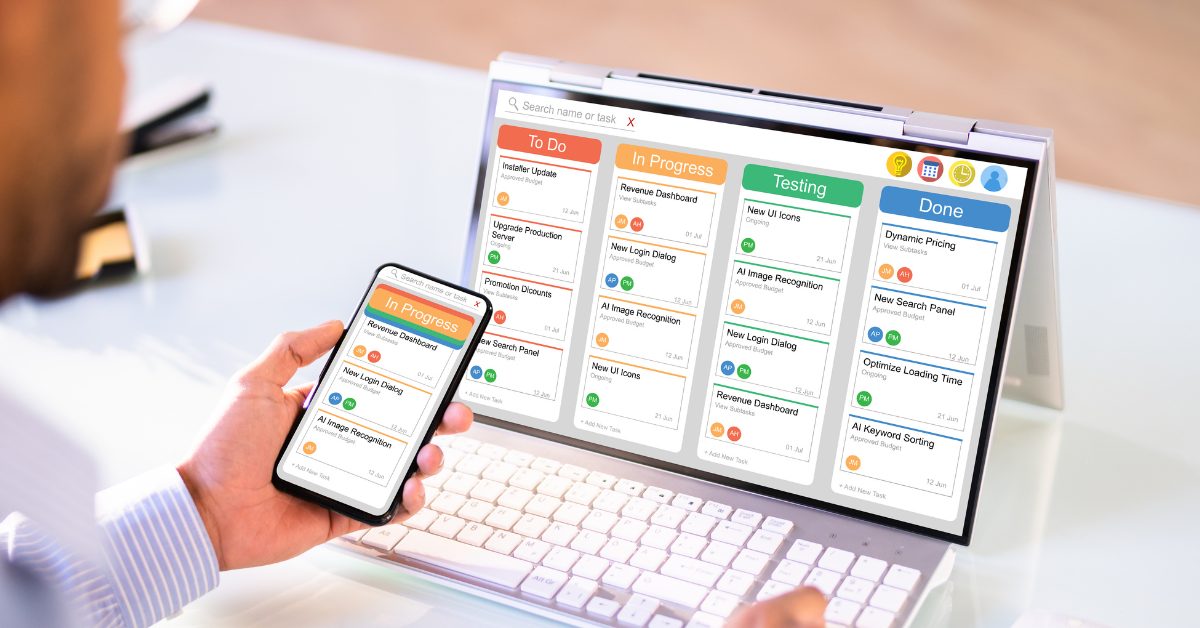
Visual workflow tools also help with planning campaigns. Marketers can clearly see the whole journey of a subscriber. This clarity makes things less stressful and more productive.
2. More advanced automation features
Automation is like having an extra set of hands. It lets campaigns run smoothly without having to do things by hand all the time.
For instance, welcome emails can be sent automatically to new subscribers. Follow-up emails can later include useful information or special deals. This structured way of talking to each other builds trust over time.
Automation based on behaviour also makes people more involved. Subscribers get messages based on what they do and what they like. Someone who clicks on a link to a product may get more information about it.
3. Customisation and changing content
People naturally respond to messages that seem personal. Generic emails can feel far away and easy to forget. Personalisation makes that experience very different.
With modern Email marketing software, marketers can use subscriber data to customise content. Messages can have personalised offers, suggestions, or educational content.
Dynamic content blocks go even further with personalisation. People who get the same email may see different information. A loyal customer might get an offer for a reward. A new subscriber might get a welcome message.
This method creates an emotional bond. Mass promotions make readers feel like they are valued instead of targeted.
4. Targeting and Segmentation
There are different kinds of people in every audience. Some subscribers are interested in trying out products. Some people just like to read updates now and then.
Segmentation helps marketers understand and respect these differences. You can break your contact lists into smaller groups based on where they are, how they act, or how much they interact with you.
Targeted campaigns work a lot better. New subscribers might get educational content first. Customers who are active may get rewards for being loyal or updates that are only available to them.
This kind of communication makes people more interested in what you have to say. Readers think that messages really get what they are interested in.
5. Reporting and Analytics
With the right information, marketing gets better. Data helps marketers figure out what really resonates with their customers.
Advanced platforms have clear dashboards that show how well a campaign is doing. Patterns can be found in metrics like open rates, click rates and conversions.
Heatmaps and tracking engagement give you more information. Marketers can tell which parts get people’s attention and which parts they skip.
These insights help you make better choices. Every change makes campaigns better.
6. Working with other marketing tools
Marketing doesn’t often happen on just one platform. Businesses often use more than one system to manage sales, analyse data and keep in touch with customers.
These systems work well together because they have strong integration features. Email services can send data to CRM tools, e-commerce platforms and analytics software.
This link keeps the data the same across all teams. Sales reps can see how leads respond to campaigns.
When systems talk to each other better, marketing and sales teams can work together better.
7. Compliance and Deliverability
An email that never gets to the inbox is useless, no matter how creative it is. Deliverability tells you if subscribers will actually see the message.
Authentication protocols on reliable platforms protect the sender’s reputation. These safety measures help keep emails from being flagged as spam.
Compliance features also help keep things clear. Subscribers can easily change their preferences by using consent options and unsubscribe links.
Following privacy rules makes people trust you. People are more likely to interact with brands that respect their choices.
8. Mobile Optimisation
Mobile devices are the main way people talk to each other every day. Most people now read emails on their phones when they are busy.
Responsive design is now necessary because of this change. Emails need to automatically fit different screen sizes.
Modern tools let you see how things will look on a mobile device. Before sending out campaigns, marketers can look them over.
Reading is easier when the text is clear, the layouts are simple and the buttons are easy to touch. This leads to more engagement.
9. A/B Testing and Improvement
Learning and trying new things make marketing better. A B test can help you figure out which ideas your audience likes the most.
You can test two subject lines on groups of subscribers that are smaller. The version that works best gets to the rest of the audience.
You should also test images, layouts and buttons that tell people what to do. Even small changes can make a big difference.
Testing over and over again builds trust. Every experiment makes campaigns stronger.
10. Cost-effectiveness and return on investment
Every business thinks about its budget very carefully. But the long-term value is more important than the lowest price.
Strong platforms have a lot of useful features and are priced fairly. Automation and analytics make things easier and more efficient by cutting down on manual work.
Better targeting and personalisation make people more interested. These changes will increase conversion rates over time.
Choosing the right technology is a smart way to invest in long-term marketing growth.
Conclusion
Email marketing is still a great way for businesses to connect with their customers in a real way. The right Email marketing software turns simple messages into meaningful conversations.
Marketers can connect with subscribers in a smart way by using features like automation, segmentation, analytics and integrations. These features help companies build relationships with leads, keep customers coming back and get better results from their campaigns.
OM Lead is a platform that makes communication easier and helps businesses come up with smarter marketing strategies. When you have the right tools and clear insights, your marketing becomes more organised, personal and effective.